


Whether you run Lady Bird Lake, lift at the gym, play in a rec league or train for your next race, your body takes a lot of load. A tight hip, a sore shoulder, a nagging knee or a back that locks up after a workout can sideline you. The goal is not just to quiet the pain. It is to find out why it happened so it is less likely to come back.
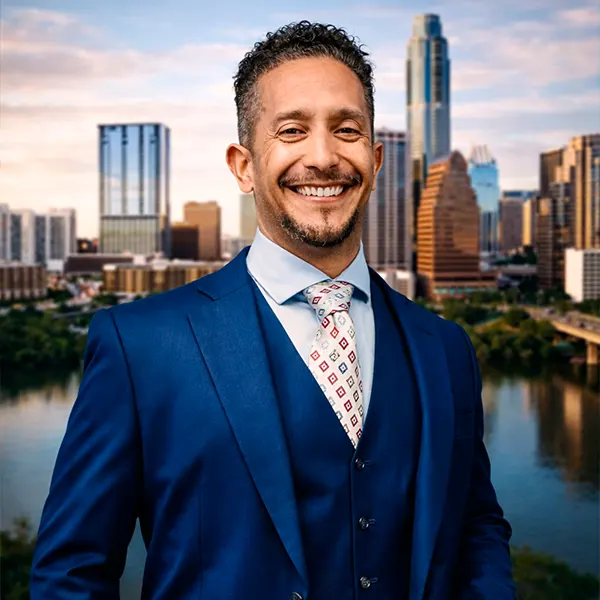
At King Chiropractic, Dr. Alberto King examines athletes and active people of every level, at our North Austin and South Austin clinics.
Sports Injuries and Chiropractic Care
Sports injuries may occur due to excessive use, impact, incorrect posture or failure to rest. Chiropractic treatment serves to relieve pain, improve mobility, and promote surgical healing.
Injuries and complaints we commonly see
- Muscle strains and tight, overworked muscles
- Low back, hip and sciatic type pain from running or lifting
- Shoulder and neck pain from overhead sports, swimming or gym work
- Knee, ankle and foot pain, including heel pain
- Elbow pain from gripping or repetitive motion
- Overuse injuries that build up over weeks or months
When an injury needs urgent care
Go to the ER or urgent care if you cannot put weight on a limb, see a deformity, heard a pop with immediate swelling, have severe pain, numbness that does not go away, or hit your head and feel dizzy or confused.


Sports Injury – What Is It?
A sports injury is any damage to your muscles, joints, ligaments, tendons, or nerves that happens during physical activity. Some come on suddenly — a wrong landing, a collision, a twist you didn’t see coming. Others build up slowly over time from repetitive movements or pushing through discomfort that your body was trying to warn you about. And that’s actually one of the most common things we see at King Chiropractic — athletes and active people who kept going through mild pain and ended up making things worse.
Most injuries come down to a few things: not warming up properly, repeating the same movement patterns without enough variety, poor stability, or technique that’s slightly off. What a lot of people don’t realize is that a desk job and bad posture can set you up for sports injuries just as easily as overtraining can.
When you come in, we don’t just look at where it hurts. We look at how you move, what’s driving the problem, and what’s getting in the way of your recovery. From there, we put together a plan that’s focused on getting you healed, moving well, and performing at your best — not just getting you through the next game.
Symptoms of Sports Injuries
The symptoms are dependent on the type and severity of injury. There are athletes whose pains are experienced during the training periods and some who experience pains during normal daily activities.

Joint Pain or Swelling
Any pain, pressure, or swelling in the knees, shoulders, ankles, or hips can also indicate that there is stress on the joint or irritation of tissue.
Muscle Strain or Weakness
The muscles can be tight, sore, weak or unstable and particularly after exercise.
Limited Range of Motion
You can find a loss of flexibility or stiffness in the ability to move a joint over full range.
Nerve Pain or Tingling
Other injuries may aggravate nerves, so that they cause tingling, burning, or radiating pain.
How to Prevent Sports Injuries
How we may help
Care is built around your sport and your goals. It may combine chiropractic adjustments, soft tissue work such as myofascial release, dry needling for tight muscles, shockwave therapy for stubborn tissue, and therapeutic exercise to rebuild strength and movement. Plans are built in phases: easing pain and restoring movement first, then strengthening and correcting what led to the injury, then helping you return to the activities you enjoy and stay there.
- Pain and movement dysfunction Non-invasive pain management.
- Helps enhance the alignment of the spine as well as joints.
- Enhances quicker mobility and functional recovery.
- Lessens muscle tension and tautness and tension of soft tissue.
- Individualized sports and active adult care.
- Divert towards performance, prevention and long term wellness.
What happens at your first visit
Other Treatments
Getting back to training is about more than feeling less pain — it’s about making sure your body is fully ready. These therapies work alongside chiropractic care to address the muscle and tissue damage underneath so you heal the right way.

Dry
Needling
It helps eliminate the trigger points, decreases muscle tension, and helps to recuperate overused tissues.

Focused
Shockwave
May can be used in the treatment of chronic tendon and soft tissue pain to aid in healing response.
Frequently Asked Questions
Whether you’re dealing with a fresh injury or something that’s been nagging you for months, you probably have questions. Here’s what athletes and active patients ask us most at King Chiropractic.
What are the most common sports injuries treated by chiropractors in Austin?
From sprained ankles and pulled hamstrings to shoulder pain, knee issues, and lower back strain — these are the kinds of things we deal with every day. Tendon irritation, neck tightness, restricted movement, and that nagging overuse pain that just won’t go away no matter how much you rest — we see it all. Whether you got hurt in one specific moment or it’s been building up over weeks of training, Dr. King will get to the bottom of what’s going on and get you back to doing what you love as fast as possible.
Can chiropractic care improve athletic performance?
Yes, chiropractic can enhance the quality of movement, joint activity and the rate of recovery. Strength, balance and output of training can be supported by better mobility and alignment. It can also be able to reduce pain that impairs performance.
How does a chiropractor treat sprains and strains?
The treatment often involves assessment, spinal and joint support, soft tissue and guided mobility intervention. It is aimed at alleviating pain, enhancing the work of tissues, and restoring safe movement. To enhance better recovery, home exercises are usually incorporated.
Is chiropractic care safe for athletes?
In a majority of athletes, chiropractic care is safe when administered by a licensed chiropractor. The modification of treatment depends on the type of sport, the level of an injury, and comfort. Referral to imaging or medical review is done where necessary.
How long does it take to recover from a sports injury with chiropractic care?
The time needed to recover depends on the type of injury as well as its severity and its response time. Mild injuries can be cured within a brief duration whereas chronic injuries require prolonged treatment. Optimum improvement occurs when there is a regularity in treatment, rehabilitation, and rest.
Will insurance cover sports injury chiropractic treatment?
Whether or not you are covered is in your insurance policy and benefit rules. Certain plans are partial in covering chiropractic care, others have restrictions or conditions. Offering treatment should never commence without verifying coverage.
What techniques do Austin sports chiropractors use?
Typical therapies would be chiropractic care, manual therapy, soft tissue care, mobility, and posture. Dry needling or focused shockwave is also added to selected cases in some clinics. Your injury and the needs of your sport are treated.
Can chiropractic care prevent recurring injuries?
It can assist in decreasing recurrence through enhancing alignment, mobility and control of movements. Such factors as strength balance, technique, recovery habits also play an important role in prevention. Frequently following up would help in detection of early warning signs before the pain recurs.
How often should athletes visit a chiropractor for injury prevention?
There’s no one-size-fits-all answer here, and we’ll be honest with you about that. Someone training five days a week for a marathon has different needs than someone playing recreational soccer on weekends. What we do at King Chiropractic is look at your whole picture — how intense your training is, what your body has been through, and what you’re working toward — and build a visit schedule around that. Some athletes feel best coming in monthly, others need more support during peak season. We’ll figure that out together.
Do I have to stop training?
Not always. After your exam, Dr. King will tell you what is safe to keep doing and what to change while you recover.
Do you work with athletes of all levels?
Yes. Weekend runners, lifters, rec league players and competitive athletes are all welcome.
Do I need a referral?
Most plans do not require one. Some HMO plans and VA Community Care need authorization first.
Do you speak Spanish?
Yes. Se habla español.
Insurance
We are in network with Aetna, Blue Cross Blue Shield, Cigna, United Healthcare, Humana and Baylor Scott & White, and we are part of the VA Community Care Network. We also offer self pay and membership options.


Why Choose Us for Sports Injury Treatment in Austin?
King chiropractic offers quality, sports-oriented services that are well communicated and delivered in a personalized way. We aid in pain relief and recovery, as well as injury prevention through Non-invasive means that fits your training schedule. Patients select us because of local support and reliance, practicality, and flexibility. We are available to provide you with the treatment for sports injuries in case you need it in Austin.
Ready to get back to your sport? Call (512) 243-6413 or book your first visit.
North Austin: 8705 Shoal Creek Blvd, Ste 101, Austin, TX 78757. Monday and Wednesday 9 to 6, Friday 9 to 3.
South Austin: 3910 S I-35 Frontage Rd, Ste 245, Austin, TX 78704. Tuesday, Thursday and Friday 10 to 4.
Request Appointment